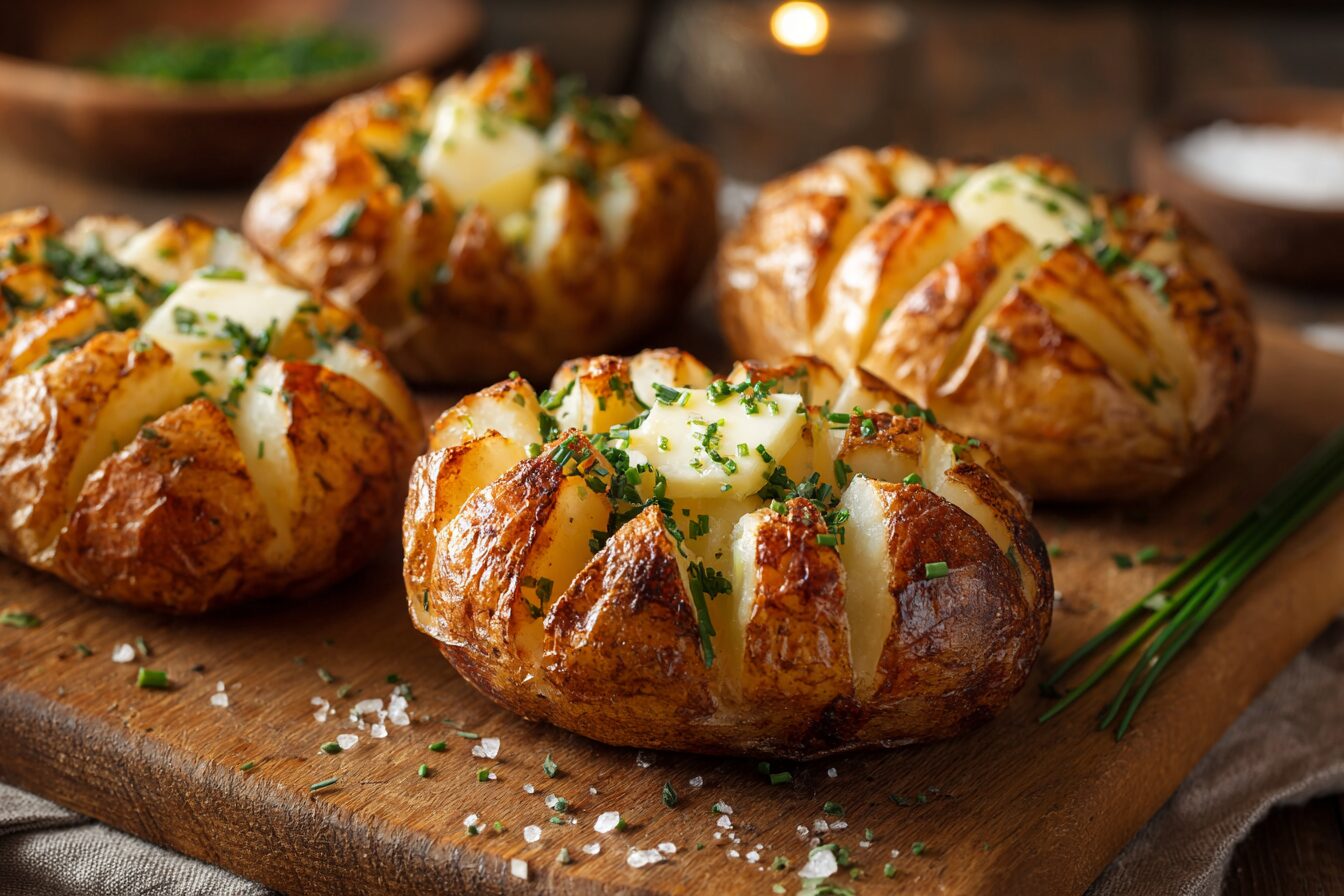
For too long, the humble baked potato has been relegated to a simple side dish, often an afterthought, and sometimes, frankly, a disappointment. We've all encountered them: the leathery-skinned, dense-fleshed imposters that leave us wishing we'd chosen fries instead. But what if we told you there's a simple, yet revolutionary method that consistently delivers the *best baked potatoes* you've ever tasted? A method that transforms an ordinary russet into a culinary masterpiece with an unbelievably fluffy, melt-in-your-mouth interior and a perfectly crispy, beautifully seasoned exterior. Prepare to discard your old potato habits, because this approach, refined by culinary experts, will change your baked potato game forever.
The Core Philosophy: Why Most Baked Potatoes Fall Short
Many home cooks approach baked potatoes with a "set it and forget it" mentality, often baking them at a moderate temperature for an arbitrary amount of time. This usually results in a few common culinary crimes:
- Leathery or Pale Skin: Without sufficient heat and proper surface preparation, the skin fails to crisp up and brown, becoming tough and unappetizing.
- Dense, Gummy Interior: Overcooking or undercooking, combined with improper steam management, can lead to a potato interior that's heavy and lacking that characteristic light, airy texture.
- Lack of Flavor: A plain potato can be bland, even with butter and salt added after baking. The seasoning needs to go deeper.
The secret to transcending these pitfalls lies in understanding a few key principles: precise temperature control, strategic moisture management, and early flavor infusion. This method isn't just a recipe; it's a revelation, guaranteed to produce a potato that's worthy of being the star of your meal.
Unlocking Perfection: The Three Pillars of the Best Baked Potatoes
Mastering the art of the perfect baked potato hinges on three critical, yet surprisingly simple, techniques. These are the cornerstones that elevate a good potato to the *best baked potatoes* you'll ever serve.
Pillar 1: The Transformative Salt Brine
This is where the magic begins, long before the potato even sees the inside of your oven. A quick dip in a salt brine might seem unusual for a baked potato, but it's a genius move borrowed from other culinary disciplines. Here's why it works wonders:
- Flavor Infusion: The salt solution penetrates the potato's skin, and even slightly into the flesh through the pierced areas, seasoning it from the outside in. This ensures every bite, skin included, is flavorful.
- Enhanced Crispness: The salt on the surface aids in moisture extraction during baking, contributing significantly to a crisper, more delightful skin. Think of it as a preemptive seasoning and drying step for that coveted crunch.
This isn't a long soak; a quick roll in the solution is all it takes to lay the foundation for a deeply flavorful potato.
Pillar 2: High Heat (450°F) for Unbeatable Crispness
Forget medium heat; the key to a truly crispy skin and a fluffy interior is an assertive blast of high heat. Your oven should be preheated to a blistering 450°F (232°C). Here’s the science:
- Rapid Evaporation: The intense heat quickly draws moisture out of the potato's surface, creating a dry environment essential for a crisp crust. Lower temperatures allow the skin to dry out too slowly, often resulting in a leathery texture.
- Steam Management: While the exterior crisps, the interior bakes through, creating internal steam that helps separate the potato cells, contributing to that desired fluffy texture. The high heat ensures this process occurs efficiently without drying out the entire potato.
It's crucial to bake on a wire rack set over a rimmed baking sheet. This allows for 360-degree air circulation, ensuring even crisping all around. Midway through, at the very end of the bake, a light basting of vegetable oil for the final 10 minutes further enhances crispness and adds a beautiful golden-brown hue. Remember, wait until the final 10 minutes for the oil – applying it too early can lead to a soggy skin rather than a crispy one.
For more on achieving that perfect crispy skin, check out our guide on Never Soggy Again: Your Guide to The Best Crispy-Skinned Baked Potatoes.
Pillar 3: Precision with an Instant-Read Thermometer (The 205°F Secret)
Perhaps the most revolutionary aspect of this method is the use of an instant-read thermometer. Baking a potato shouldn't be a guessing game based on time alone, as potato sizes vary. The ideal internal temperature for a perfectly fluffy baked potato is 205°F (96°C).
- Fluffiness Guaranteed: Reaching 205°F ensures that the starch within the potato cells has fully gelatinized and expanded, leading to that coveted light, airy, and fluffy texture. Anything less, and you risk a dense, pasty interior. Anything more, and you risk drying it out.
- Consistency: A thermometer removes all guesswork, guaranteeing consistent results every single time, regardless of the potato's exact size. Simply insert the probe into the thickest part of the potato, avoiding the skin.
This precise temperature, followed by the final oil-basted bake, is what sets these potatoes apart. To truly understand the science behind achieving a *perfectly crispy outside and fluffy inside*, dive deeper into our dedicated article: Perfect Baked Potatoes: Crispy Outside, Fluffy Inside Every Time.
Beyond the Basics: Essential Tips for Baked Potato Mastery
Choosing Your Canvas: The Mighty Russet Potato
Not all potatoes are created equal for baking. For the *best baked potatoes*, opt for Russet potatoes (also known as Idaho potatoes or baking potatoes). Their high starch content and relatively low moisture make them ideal for baking. When cooked, their cells separate easily, creating that light, fluffy texture we crave, and their thick skins are perfect for crisping.
Preparation is Key
Start by scrubbing your potatoes thoroughly under running water to remove any dirt. Then, pierce each potato 3 times on two sides (total of 6 times) with a fork. This allows steam to escape during baking, preventing the potato from bursting and contributing to a fluffy interior, but not so many that it dries out.
The Wire Rack Advantage
As mentioned, baking on a wire rack set over a rimmed baking sheet is non-negotiable. This allows hot air to circulate completely around the potato, ensuring an even bake and contributing significantly to that all-important crispy skin. Without it, the bottom of your potato will likely be soggy.
Oil Choice Matters
When it comes to basting, stick with a high smoke point oil like vegetable oil. Olive oil, while delicious, has a lower smoke point and can burn or smoke at 450°F, imparting an unpleasant flavor.
Post-Bake Perfection: The Immediate Cut and Squeeze
This final step is as crucial as the baking itself. The moment your potatoes come out of the oven, use a clean kitchen towel to carefully hold and squeeze them open. Make a deep incision lengthwise, then gently squeeze the ends towards the center. This action immediately releases internal steam, preventing the potato from "steaming itself" and becoming heavy or gummy inside. The result is an incredibly airy, fluffy interior that's ready to absorb your favorite toppings.
Step-by-Step Guide to Your Best Baked Potatoes Ever
Ready to experience the best baked potatoes of your life? Here’s everything you’ll need and how to do it:
Ingredients:
- 4 medium Russet potatoes (7-9 oz each)
- 1/2 cup warm water
- 2 Tbsp salt (kosher or sea salt recommended)
- 1 Tbsp vegetable oil
- Your favorite toppings: butter, sour cream, chives, crispy bacon, shredded cheddar cheese, black pepper, etc.
Equipment:
- Large mixing bowl
- Fork
- Rimmed baking sheet
- Wire rack
- Instant-read thermometer
- Pastry brush (optional, for oil)
Instructions:
- Preheat Oven: Position an oven rack in the center and preheat your oven to 450°F (232°C).
- Prepare Potatoes: Thoroughly scrub and rinse each potato to remove any dirt. Using a fork, pierce each potato 3 times on two sides (6 times total).
- Create Salt Brine: In a large mixing bowl, whisk together the warm water and 2 tablespoons of salt until the salt has fully dissolved.
- Brine Potatoes: Roll each potato in the salt water mixture, ensuring it's evenly coated.
- Arrange for Baking: Transfer the brined potatoes to a wire rack set over a rimmed baking sheet. This setup is crucial for crispy skin.
- First Bake: Bake in the preheated oven for approximately 45-60 minutes, or until an instant-read thermometer inserted into the thickest part of the potato (avoiding the skin) registers 205°F (96°C). The potatoes should feel nearly soft when gently squeezed.
- Oil Basting: Carefully remove the baking sheet from the oven. Brush each potato lightly with the vegetable oil.
- Second Bake: Return the oiled potatoes to the oven and bake for an additional 10 minutes. This final blast of heat with the oil creates an incredibly crispy, golden skin.
- Serve Immediately: As soon as the potatoes are removed from the oven, using a clean kitchen towel or oven mitts, hold each potato and make a deep lengthwise incision. Then, gently squeeze the ends of the potato towards the center to fluff up the interior and release steam. Serve immediately with your desired toppings.
Conclusion
Once you try this method, you'll understand why it's touted as the definitive way to achieve the *best baked potatoes*. The combination of the simple salt brine, the high-temperature bake, and the precision of a thermometer transforms a humble root vegetable into a perfectly seasoned, incredibly fluffy, and irresistibly crispy delight. Say goodbye to dense, uninspired baked potatoes and hello to a culinary triumph that will have everyone asking for your secret. Trust us, your taste buds will thank you.
