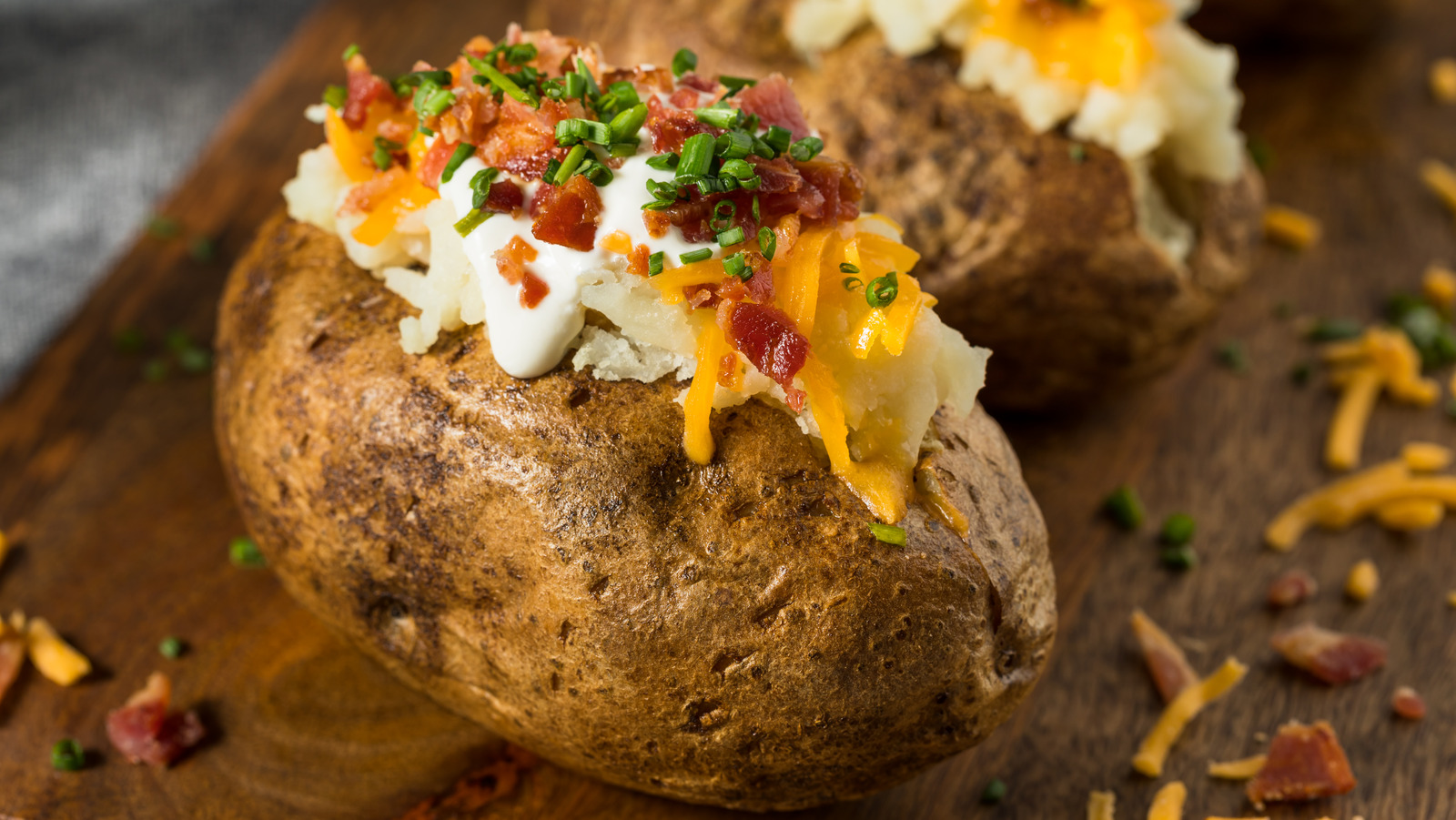
Never Soggy Again: Your Guide to The Best Crispy-Skinned Baked Potatoes
For many, a baked potato is a reliable staple, a simple side dish that makes an appearance on countless dinner plates. But there’s a distinct difference between *a* baked potato and *the best* baked potato. We're talking about a culinary revelation: an unbelievably fluffy, melt-in-your-mouth interior encased in a perfectly crispy, beautifully seasoned, and slightly browned skin. If your experience with baked potatoes has been hit-or-miss – think leathery skins, dense interiors, or just plain bland – prepare for a complete transformation. This isn't just a recipe; it's a methodology that consistently delivers the kind of perfection you might have only dreamed of.
Inspired by the genius techniques perfected by culinary experts from Cook's Illustrated to Food Network, this guide delves deep into the simple yet critical steps that elevate a humble potato to star status. Forget everything you thought you knew about baking potatoes, because once you master this method, you’ll never settle for less. This isn't just about avoiding sogginess; it's about achieving the pinnacle of baked potato excellence, ensuring every bite is a delightful contrast of textures and flavors.
The Anatomy of a Perfect Baked Potato
So, what exactly defines the *best baked potatoes*? It's a delicate balance achieved through precision and understanding the potato's unique characteristics. The goal is twofold: a cloud-like, almost ethereal interior, and a skin that crackles with flavor and texture. Many factors contribute to this ideal, but they all boil down to a few core techniques that work in concert:
*
The Fluffy Interior: This is achieved by ensuring the potato cooks evenly and thoroughly, reaching a specific internal temperature that gelatinizes its starches perfectly. Crucially, the potato must be allowed to release steam immediately after baking, preventing it from becoming heavy and dense.
*
The Crispy, Flavorful Skin: This is where the magic truly happens. A unique brining technique infuses the skin with flavor and helps draw out surface moisture. High heat ensures the skin crisps rather than toughens, and a strategic basting with oil in the final minutes provides that irresistible crunch and golden-brown hue.
*
Even Seasoning: The brine doesn't just crisp; it seasons the skin deeply, allowing the flavor to permeate slightly into the potato itself, something a simple sprinkle of salt post-baking can never achieve.
These elements combine to create a baked potato that stands head and shoulders above the rest, delivering an experience that is both comforting and exquisitely satisfying.
Unlocking the Secrets: Step-by-Step to the Best Baked Potatoes
Achieving this level of perfection isn't difficult, but it does require adherence to a few non-negotiable steps. Each stage plays a vital role in crafting the *best baked potatoes* you've ever tasted.
Choosing Your Canvas: The Right Potato
For truly exceptional baked potatoes, your choice of potato is paramount. Forget waxy varieties; the undisputed champion here is the
Russet potato (also known as Idaho potato). These are high in starch and low in moisture, which is precisely what you need for that coveted fluffy interior. Their thick skin also stands up beautifully to the high heat, contributing to the desired crispness. Aim for potatoes that are roughly 7-9 ounces each to ensure even cooking and consistent results across your batch.
The Magic of the Salt Brine
This is perhaps the most unconventional yet transformative step, and a major differentiator for the *best baked potatoes*. Instead of simply salting the skin, you'll immerse the scrubbed and pierced potatoes in a warm salt solution. This quick brine does wonders: it deeply seasons the skin, making it incredibly flavorful, and, crucially, helps to draw out excess moisture from the surface. This moisture removal is key to achieving that dry, crispy exterior rather than a chewy or leathery one. The salt even seeps a little into the potato's outer layer, adding depth of flavor. For a deeper dive into this game-changing technique, explore our article on
Master Baked Potatoes: Salt Brine, 450°F, & Thermometer Secrets.
High Heat is Your Friend (and Enemy of Soggy Skin)
Temperature control is critical. Preheat your oven to a scorching
450°F (232°C). This high heat is essential for two reasons: it prevents the potato skin from becoming tough and leathery, and it promotes the rapid dehydration of the skin's surface, leading to ultimate crispness. Placing the brined potatoes on a
wire rack set over a rimmed baking sheet is equally important. This setup allows hot air to circulate completely around the potatoes, ensuring all sides cook evenly and crisp up beautifully, preventing any dreaded soggy spots.
The Thermometer: Your Path to Fluffy Perfection
Guessing whether a potato is done is a surefire way to end up with inconsistent results. For the *best baked potatoes*, an instant-read thermometer is your secret weapon. The ideal internal temperature for a perfectly fluffy, light, and airy interior is
205°F (96°C). At this temperature, the starches within the potato have fully cooked and expanded, creating that coveted cloud-like texture. Anything less, and your potato will be dense; anything more, and it risks becoming dry. Don't skip this step – it's the difference between good and truly great.
Strategic Basting for Ultimate Crispness
Once your potatoes hit that 205°F mark, they're almost ready for their final transformation. This is when you'll remove them from the oven and lightly brush them with a high smoke point oil, such as vegetable, canola, or grapeseed oil.
Avoid olive oil at this high temperature, as it will smoke excessively and can impart an off-flavor. The key here is timing: only apply the oil for the *final 10 minutes* of baking. Applying it too early will trap moisture and lead to a soggy skin. This late basting ensures a glorious, golden-brown, extra-crispy exterior.
The Immediate Release: Don't Let it Steam
This often-overlooked step is crucial for preserving the fluffy interior. The moment your potatoes are out of the oven, cut them open immediately. A simple technique is to make a lengthwise slit, then use a clean kitchen towel to carefully squeeze the potato open from its ends. This action allows the trapped steam to escape, preventing it from condensing back into the potato and making it heavy, dense, or watery. By releasing the steam, you lock in that incredibly airy, melt-in-your-mouth texture that defines the *best baked potatoes*.
Essential Tools and Ingredients for Your Culinary Masterpiece
Gathering your mise en place before you begin will make the process smooth and enjoyable.
*
Ingredients:
* 4 (7-9 oz) Russet potatoes
* 1/2 cup warm water
* 2 Tbsp salt (kosher or sea salt recommended for the brine)
* 1 Tbsp high smoke point vegetable oil (canola, grapeseed, sunflower)
* Desired toppings: butter, sour cream, chives, shredded cheddar, crispy bacon bits, freshly ground black pepper, etc.
*
Equipment:
* Large mixing bowl
* Fork
* Wire rack
* Rimmed baking sheet
* Instant-read thermometer (non-negotiable for perfection!)
* Pastry brush
* Clean kitchen towel or oven mitts
Putting It All Together: A Quick Recipe Overview
Ready to embark on your journey to the *best baked potatoes*? Here's the streamlined process:
1.
Preheat: Set your oven to a blazing 450°F (232°C).
2.
Prep Potatoes: Scrub potatoes thoroughly under running water to remove any dirt. Using a fork, pierce each potato about 3 times on two sides (6 times total).
3.
Brine: In a large mixing bowl, whisk together the warm water and salt until the salt fully dissolves. Roll each potato in the salt solution to ensure it's evenly coated.
4.
First Bake: Transfer the brined potatoes to a wire rack set over a rimmed baking sheet. Bake in the preheated oven for approximately 45-60 minutes, or until an instant-read thermometer inserted into the center of the largest potato registers 205°F (96°C). The skin should be starting to look dry and slightly firm.
5.
Oil and Finish: Remove the potatoes from the oven. Using a pastry brush, lightly coat each potato with the vegetable oil. Return them to the oven and bake for an additional 10 minutes.
6.
Serve Immediately: As soon as you remove them from the oven, make a lengthwise slit down the center of each potato. Carefully using a clean kitchen towel (to protect your hands from steam), squeeze the potato from both ends to fluff up the interior and release steam. Serve hot with your favorite toppings.
For a more comprehensive recipe and additional tips on achieving this ultimate side dish, make sure to check out our detailed guide:
Perfect Baked Potatoes: Crispy Outside, Fluffy Inside Every Time.
Beyond the Basics: Elevate Your Best Baked Potatoes
Once you’ve mastered the core technique for the *best baked potatoes*, the possibilities for enjoyment are endless.
Topping Creativity
While a simple pat of butter and a sprinkle of salt are divine, baked potatoes are a blank canvas for culinary creativity.
*
Classic Combinations: Load them up with sour cream, fresh chives, shredded sharp cheddar cheese, and crumbled crispy bacon.
*
Heartier Fare: Transform them into a meal by adding chili, pulled pork, or even leftover shredded chicken mixed with BBQ sauce.
*
Gourmet Touches: Drizzle with truffle oil, sprinkle with roasted garlic, or top with smoked salmon and crème fraîche for an elegant twist.
*
Spice it Up: Experiment with adding a pinch of paprika or garlic powder to your salt brine, or mix it with the oil before the final basting.
Make-Ahead Tips (with caveats)
While the *best baked potatoes* are undeniably those served immediately from the oven, sometimes convenience calls. If you must prepare them ahead, aim to bake them almost fully (just before the oil basting step), then let them cool. To reheat, place them back on a wire rack in a 400°F (200°C) oven, brush with oil, and bake until heated through and crisp (about 15-20 minutes). Avoid microwaving for reheating, as it will inevitably lead to a soggy skin.
Troubleshooting Common Issues
*
Soggy Skin: Ensure you're using a wire rack for air circulation, avoid over-oiling too early, and double-check your oven temperature. Sometimes, overcrowding the oven can also hinder crispness.
*
Dense or Gummy Interior: This usually means the potato didn't reach the target internal temperature of 205°F, or you forgot to cut it open immediately to release steam.
*
Uneven Cooking: Try to select potatoes of similar size. If your oven has hot spots, rotate the baking sheet halfway through cooking.
This method isn't just about avoiding culinary mishaps; it's about consistently achieving a gold standard. No longer will you dread a disappointing side; instead, you'll eagerly anticipate the perfectly crisp skin and wonderfully fluffy interior of these truly exceptional baked potatoes.
If you’ve made hundreds or even thousands of baked potatoes in your life, prepare to be amazed. This method, rooted in smart science and simple steps, consistently produces the *best baked potatoes* – perfectly seasoned, perfectly soft and tender, with an unbelievably delicious, crispy exterior. It’s a game-changer that will elevate your meals and leave you wondering why you ever made them any other way. Give it a try, and taste the difference that thoughtful preparation makes.